Waterproofing bricks

Soldato
Joined
17 Aug 2009
Posts
18,778
Location
Finchley, London
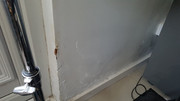
I've got some areas in my kitchen that I'm going to repair but not really sure of the procedure. But since its summer this is the best time while my walls are dry. I've got bubbling on the paint. I'll need to presumably smash away the plaster back to the bricks.

Then very importantly I'll need to waterproof the bricks so was wondering what brick sealer is recommended? Everbuild 402? Thompson's water seal? And will I need PVA on top of waterproofer? I believe PVA helps with plaster adhesion.

And then I guess it would make sense to brush the water seal
on the outside of the wall as well so there's a double protection from any water ingress?

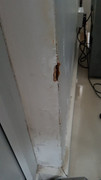
It looks like there's a metal edge strip, I guess I'll need to get a new one of those? But it's going to need replastering which I've never done. Will I need to learn how to skim?
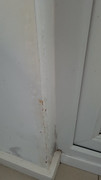
 
Last edited:
Why's water penetrating through your bricks?

It happened gradually over a few years and I found out recently there were some leaking waste pipes where water was hitting the brickwork. I think that's the cause of the problem, and the leaks have been fixed.
 
Is your place just single skinned? It's highly unusual with a working roof, glittering and plumbing system that you should be getting any real penetration.
Although it can happen in older places if the bricks are starting to spell etc.

No idea. It's an old Edwardian house. I had a damp proof course put in when I bought it in 1987. Whether it's to do with damp proofing from the ground up or penetration through the bricks I don't know but I think it's more likely water retention in the bricks. Anyway, apparently damp proof courses are a waste of time.
 
Thanks guys, I'll take some external photos later. Yes, wouldn't it be likely to have been a chemical DPC in 1987? I'm sure I've got the original details from the company that did it, I'll try and find it.
fastwunz, there's some stuff on the net about DPCs being snake oil,

https://www.heritage-house.org/damp-and-condensation/the-fraud-of-rising-damp.html
https://www.architectsjournal.co.uk...a-myth-says-former-rics-chief/5204095.article

but I think they're referring to chemical injection. I'll take your word that a membrane DPC would be effective and it might well be that the cause of my damp walls is due to an ineffective DPC, which tbh, is way past its original 25 year guarantee. Trouble is, I've no doubt it'll be very expensive if I do have to get one installed.

If you have fixed the leaks then it should just need to be repainted after it’s dried out, probably while stain stop undercoat.
Could take a while to dry out

Yes, having taken another look, I might be able to just scrape away the top surface of paint and repaint. But I think the edge mesh strips have rusted, won't I need to chip plaster away and replace those? Can you link me to a stain stop undercoat and does it provide some sort of moisture barrier?
 
I don't truly know though if I've solved the water ingress. Who would be the best person to tell me? I could get a company that does membrane DPC to come here and inspect but how much could I trust they're not just selling their product whether I need it not. Or am I better off paying an unbiased qualified expert to diagnose the water ingress?

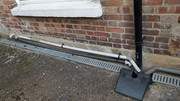
Here's some pics. You can see the holes where the DPC was drilled outside the kitchen door which is where the internal plaster has slightly blown.

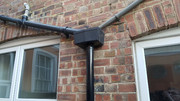
You can see some some staining on the bricks where water was hitting it from above.


In these two pics, there was leaking from the plastic pipes above my flat which have been fixed now. Whether they were the sole cause or cause at all of the internal wall damage I don't know.

[/url
 
Last edited:
That is a very common place to see damp. Usually it’s due to penetrating water owing to raised ground levels externally causing a bridge above any damp proof courses or drainage.

Just taking you up on this point, when you say penetrating water, do you mean coming up from the ground as in rising damp and therefore needing a DPC, or do you mean penetrating through the wall horizontally from water hitting it?
 
So what are you saying? That no DPC, even a membrane one is not possible or worthwhile?
Yes, the kitchen floor is concrete. How does the concrete floor allow water to go above the DPC?
 
I see. I didn't know how a membrane dpc is installed but as it means cutting into bricks and you say it's all but impossible, then that clearly means I can forget about a damp proof course completely.

Ok, so the waterproofing alternative you mentioned. I've had a look at the Stormdry masonry cream you mentioned. Yes, £120 on Amazon. Looks really good, 25 year proven protection, you've piqued my interest in it!

Do I simply brush it on all the external brickwork and that will prevent further water penetration while the inside is allowed to dry? And because you said it takes an age for the inside to dry, how will I know when the inside is ready to redecorate? There's some plaster inside right at the bottom of the wall that is flexing and feels hollow when I tap it. Shall I just smash it out now?
The house is Edwardian era I believe. But do you think it's possible my issue could be rising damp, in which case anything other than a membrane would be ineffective,? Or more likely to be fixable by sealing porous bricks?
 
Last edited:
Thanks SeatIbiza. Good to know there's no such thing as rising damp. But I'm a little confused so just humour me. I always thought a damp proof course was to prevent rising damp, i.e, to provide a horizontal barrier stopping moisture rising by capillary action from the ground. It's been said in this thread that a chemical damp proof course is useless, which is presumably what has been injected into my bricks several times and failed. It's also been said that a membrane damp proof course is effective. Effective for what then if there's no such thing as rising damp?
 
Back
Top Bottom