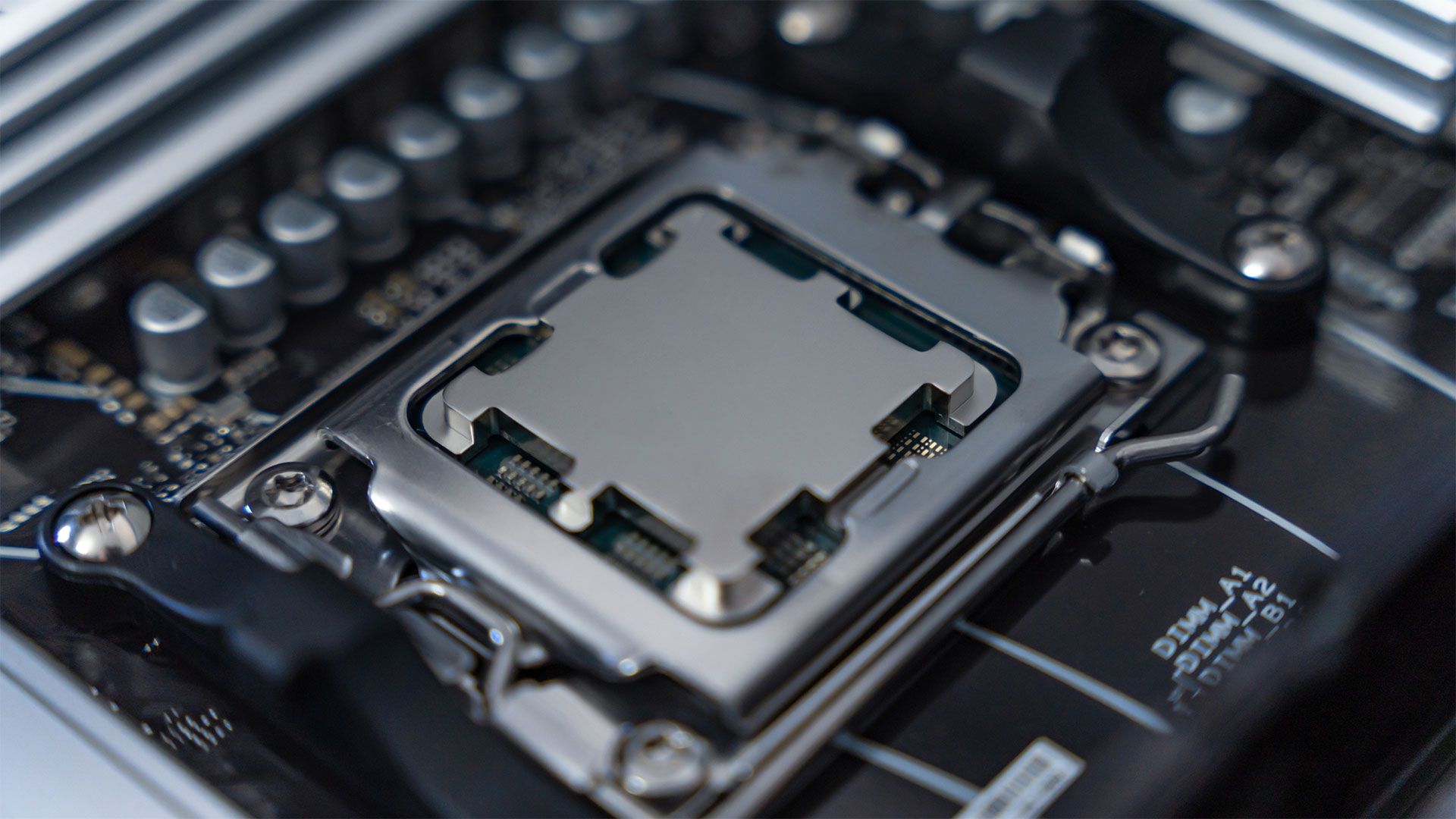
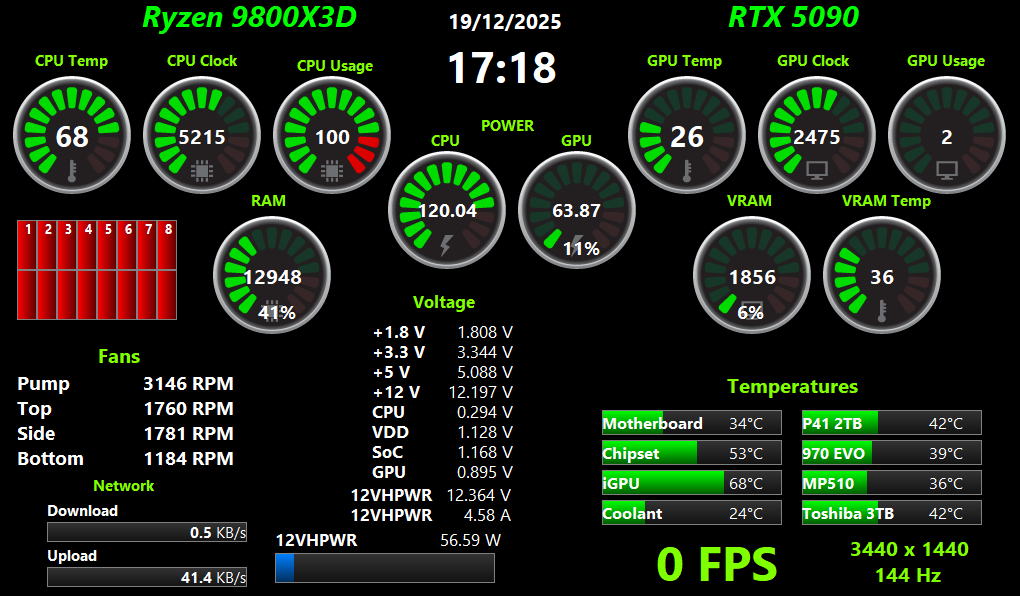
Failures consistent with the symptoms have been seen on other boards and CPUs but far less often - there are probably like 1 instance on Gigabyte for every 200+ on ASRock - 9800X3D + ASRock combination seems to be several orders of magnitude more likely to encounter the issue. The issue also seems to be far more likely on specific batches but other batches don't make you 100% immune to it (this potentially goes for both CPU batch and motherboard batch as there seems to be more than one factor involved).
It is a bit of a weird one.
Ironically for all the drama about Intel's 13th and 14th gen degradation there are far more actual reports of 9800X3Ds failing - there is 1-3 reports a day currently of AMD CPUs failing with symptoms consistent with these issues.
EDIT: I will also add here that 9800X3D failure rates at retail are still very very low - it is still one of the least returned by percentage of sold, though due to the fairly high volume of sales makes up a considerable percentage of returned CPUs by unit.
It seems, like the drama concerning that of Intel 13th and 14th Gen, it can be difficult to understand the scale of the actual problem and, this AMD situation, how far that extends beyond that of Asrock, chipsets and CPU types.
Whilst my soft spot for Gigabyte is largely based on familiarity and excellent customer service based in the UK, it seems the yare not as greatly affected, albeit that could well be influenced by the popularity of the Asrock boards.
In some ways, for me, it is becoming a moot point as RAM pricing may well influence any thoughts of a family member considering a replacement build.