Any people knowledgeable about damp?

Soldato
Joined
5 Feb 2009
Posts
4,022
Getting a bit concerned over some damp issues in our house, so seeking the advice of anyone who knows anything about this.

We moved into our house just over a year ago (late Victorian mid-terrace), and we knew there were some damp issues as it came up in the survey for the middle downstairs room. A local company put in a chemical damp-proof course in this room before we moved in.

Over the past year some parts of the damp seem okay, but some have got worse.

In the room that was damp-proofed, it's largely okay, but when we repainted we noticed a few damp patches that just don't look like they've dried:
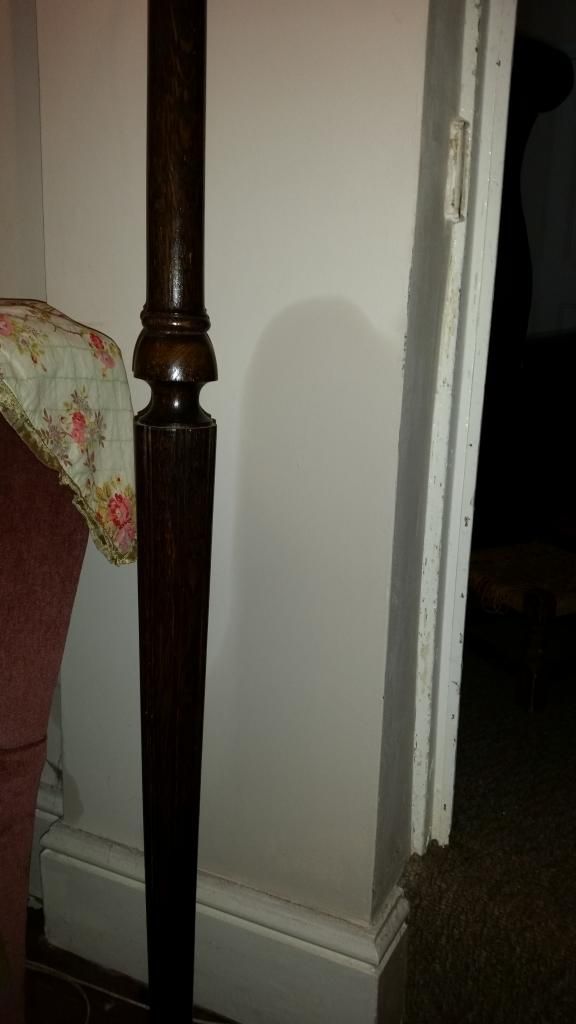
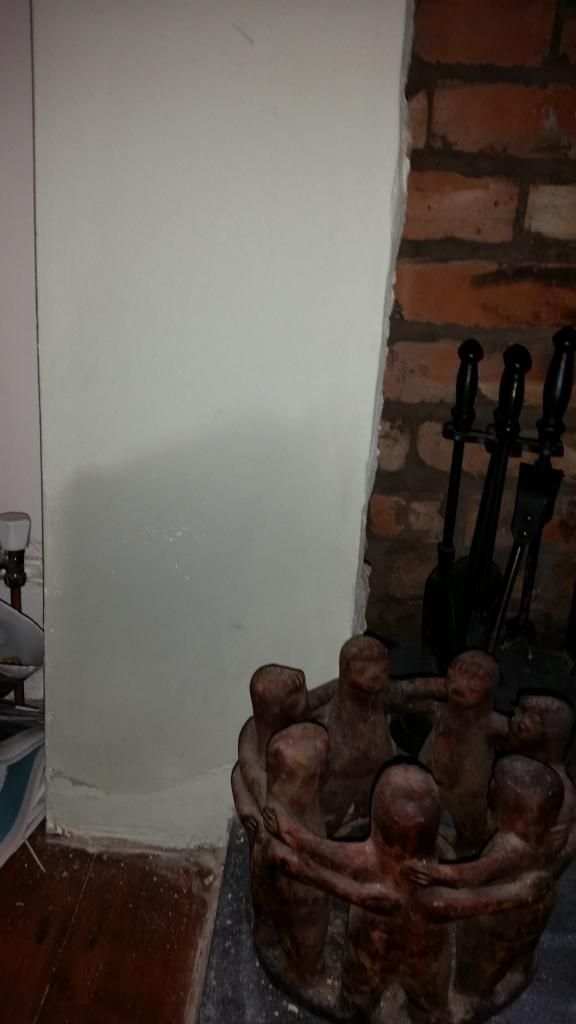
2014-11-10114213.jpg

2014-11-10114231.jpg


Obviously we're concerned about this, but they are only relatively small patches. Could the fact we used water-based paint be a factor?

Also, there's a small damp patch in the kitchen next to the downstairs loo:
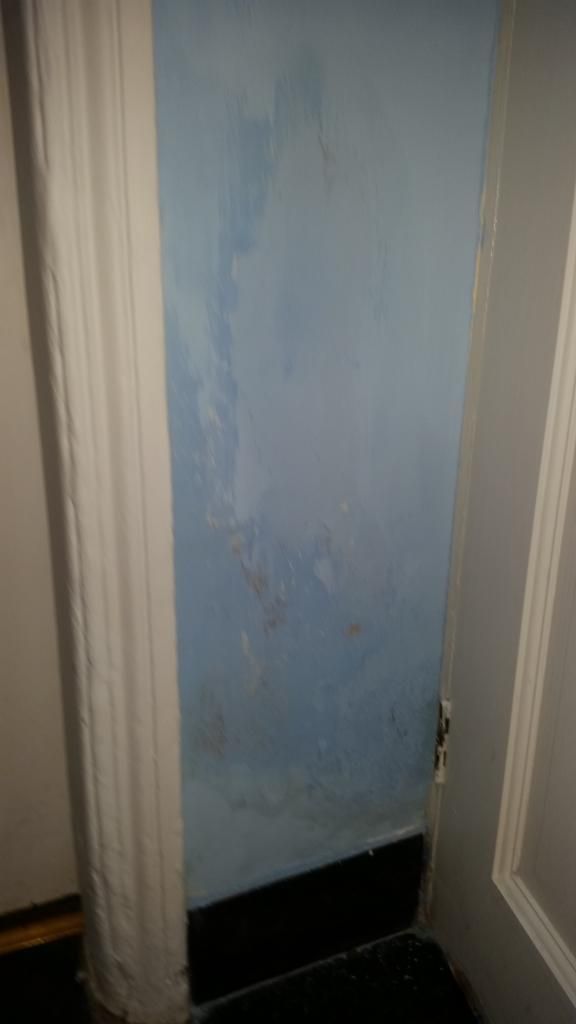
2014-11-10114512.jpg


Again, we only noticed this when we repainted.


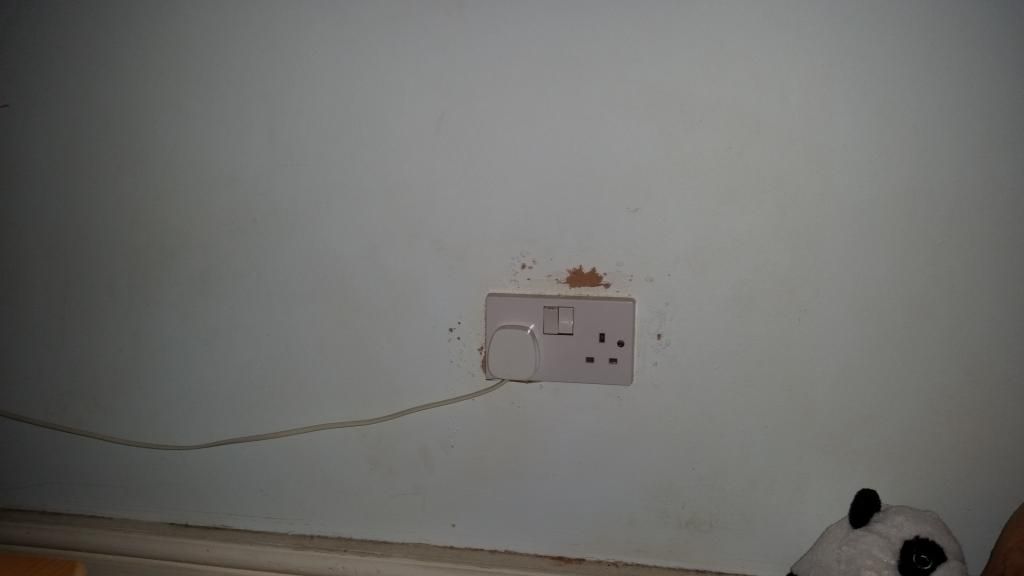
There are also some weird bobbly areas on the plaster walls that look like they might be damp related, but we don't know what they are or what's causing them. Upstairs rear bedroom (borders the bathroom next to the fist patch):
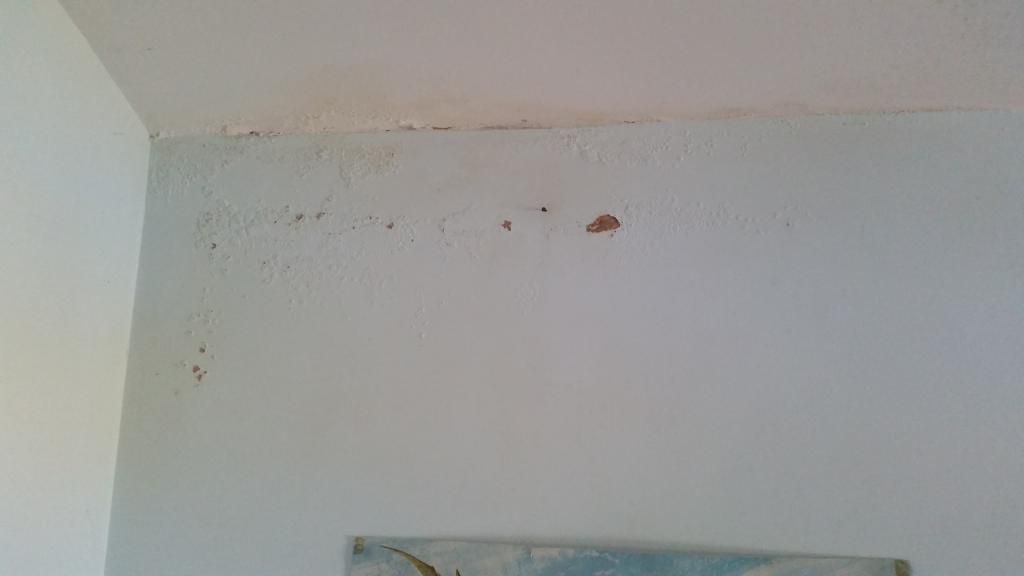
2014-11-09113606.jpg

2014-11-09113627.jpg


Downstairs second middle room (this bit is right under the bath):
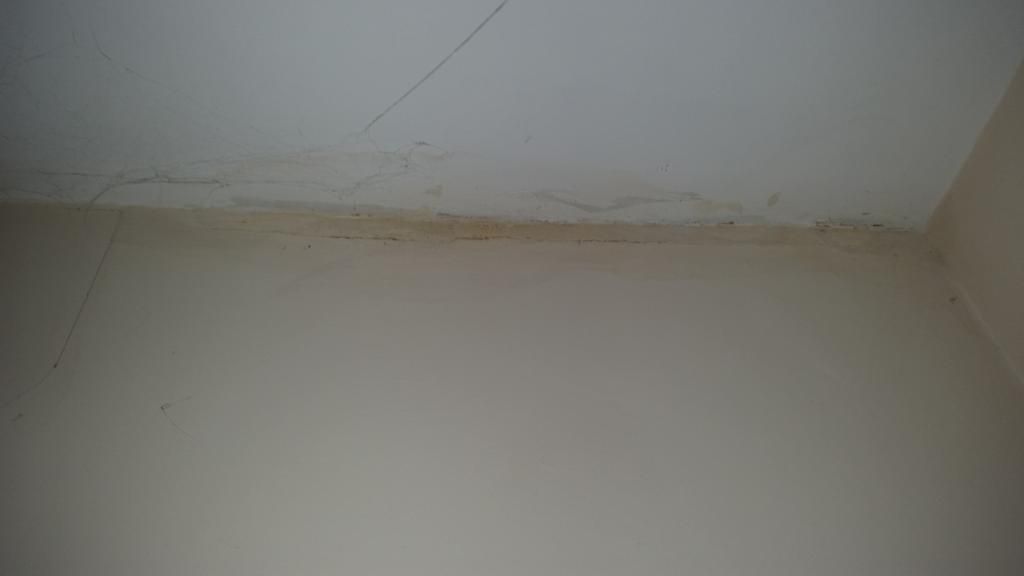
2014-11-10114500.jpg


Any ideas as to cause and what we can/need to do?

 
Yes, I did see all that, but unfortunately only after we noticed the damp! As the vendor paid for the chemical damp course recommended in the survey without any quibbles we didn't think anything of it.

The question is what to do now. Only one room had the chemical DPC, the first one in the photos. That doesn't explain the damp in the others, so the solution might be different in different rooms.

That site and a couple of others like it led me to completely distrust damp "experts" with the result that now I don't really know what to do with all these issues...
 
The ground floor rising damp may be down to bridging whereby moisture travels from ground into plasterboard by capillary action due to plaster board touching the ground. There should be a gap so this cannot happen. Can you pull off skirting and check for a gap? The bottom edge can be chipped away retrospectively if no gap exists.
 
Could you elaborate on where the damp areas are in relation to one another?

Perhaps mark on a floor plan, doesn't need to be pretty, just draw it in biro.

I'm no expert, just an avid DIYer who has done a few houses up but I've found that damp has almost always been caused by condensation, failed plumbing or failed drainage.
 
Right, good tip. The plaster on the chimney breasts does indeed go down to the ground. I can see that in some of my photos of the room. I'll check the plaster under the skirting of that bigger patch later on. Cheers.

The others, though... one of them is right up in the corner of the room, the other around a plug socket on the upper floor...
 
Could you elaborate on where the damp areas are in relation to one another?

Perhaps mark on a floor plan, doesn't need to be pretty, just draw it in biro.

I'm no expert, just an avid DIYer who has done a few houses up but I've found that damp has almost always been caused by condensation, failed plumbing or failed drainage.

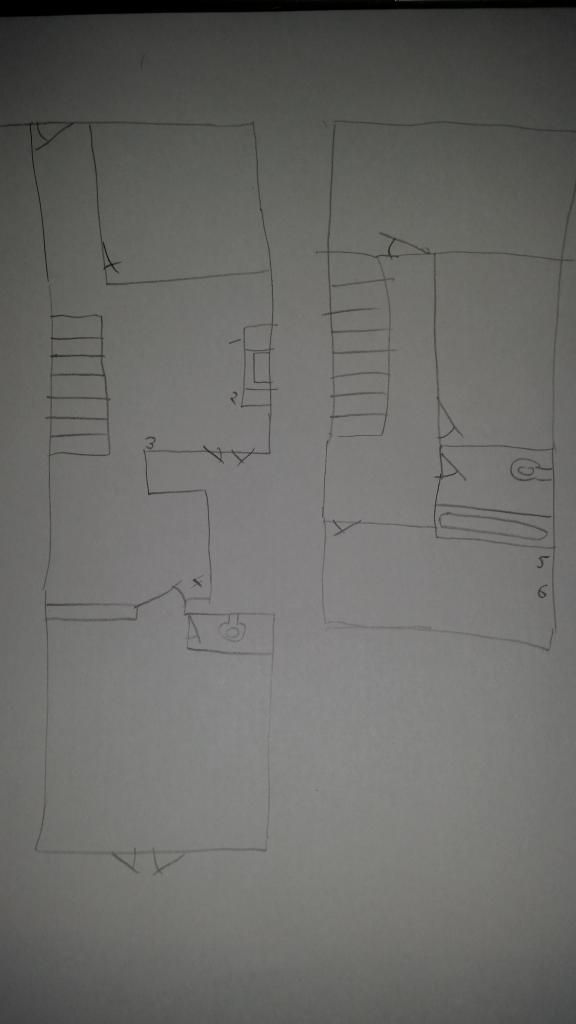
I don't have a floor plan, but okay, here's a quite sketch:
2014-11-10145216.jpg


Numbered locations are damp patches:
1 & 2 - base of the chimney breast
3 - the bigger damp patch in the lounge on the corner of one wall
4 - the patch under the bath (oh, I missed one out - the kitchen one is one the other side the kitchen wall right next to the door to the downstairs toilet)
5 - top corner of third bedroom, right next to the bathroom
6 - middle of the wall of the third bedroom, about a foot from the floor

As for the bit under the bath, check for a leak.

Yeah, I wondered if it might be a leak due to it being under the bath. We see no evidence of it, though, and I re-sealed the bath a little while ago. Is there a way to tell without ripping the sides and all the tiling of the bath to check underneath?
 
Suspect you will need to get under the bath and feel around the pipes to check for leaks. Leak could have course be under the floorboards.
 
Late victorian mid terrace.

99% of the time it's where double glazing has been installed without trickle vents and people have tried to seriously modernise. Houses of that era need to breathe - no damp proof course is going to help you, it's a completely different building standard to modern buildings. Often condensation builds up - from cooking, from breathing, from drying washing indoors, showering etc.

It's not about sealing the building in, that can actually make problems worse. It's about allowing moisture to dissipate on it's own.

Clean up the areas and install trickle vents, or trial it by leaving your windows open a crack when you're in the house.
 
Last edited:
Suspect you will need to get under the bath and feel around the pipes to check for leaks. Leak could have course be under the floorboards.

Ah, I feared as much. Oh well. Guess it can't be helped, and if it needs doing, it needs doing.

Late victorian mid terrace.

99% of the time it's where double glazing has been installed without trickle vents and people have tried to seriously modernise. Houses of that era need to breathe - no damp proof course is going to help you, it's a completely different building standard to modern buildings. Often condensation builds up - from cooking, from breathing, from drying washing indoors, showering etc.

It's not about sealing the building in, that can actually make problems worse. It's about allowing moisture to dissipate on it's own.

Clean up the areas and install trickle vents, or trial it by leaving your windows open a crack when you're in the house.

That's probably accurate. The house has been PVC double-glazed throughout, and all external doors are also the new PVC multi-lock type, so I guess sealed up about covers it. And, no, no vents in the windows. No extractor fan in the bathroom either, which I guess might not help?

What are the chances of curing the condensation problem with those little chemical pots that remove moisture from the air? We have three of those in the damper rooms and they seem to have collected an incredible amount of moisture over a short time. Whether or not it's actually going to make a difference to anything is another matter, of course.
 
You can get an electrician to put an extractor in the bathroom. Trickle vents on the windows can be retrospectively fitted and the job won't cost much. The chipping off of plaster I mentioned earlier should be done. You could do it yourself. Builders I have used to do it tend to use a power tool which is much quicker obviously.
 
What are the chances of curing the condensation problem with those little chemical pots that remove moisture from the air? We have three of those in the damper rooms and they seem to have collected an incredible amount of moisture over a short time. Whether or not it's actually going to make a difference to anything is another matter, of course.

Those things will do little to help I'm afraid.

Clearly you need to address the cause of the dampness to cure the problem, rather than try to collect the extra moisture up on an ongoing basis. A dehumidifier would probably be a worthwhile investment though to help dry things out. The Challenge branded ones from Argos work really well.
 
Yes, I will have a look at chipping off plaster this weekend, cheers for that tip.

We know a guy who does electrics who might fit an extractor for us, which would save some cash.

I guess the other question is: the odd lumps/bobbles on the plaster in the pics - is that damp? I can't think what else might be causing it, but the areas it happens in never look or feel damp, and I can't understand why it would appear around a plug socket not really near any sources of damp.
 
Those things will do little to help I'm afraid.

Clearly you need to address the cause of the dampness to cure the problem, rather than try to collect the extra moisture up on an ongoing basis. A dehumidifier would probably be a worthwhile investment though to help dry things out. The Challenge branded ones from Argos work really well.

Yeah, thought that might be a bit hopeful :)
 
Back
Top Bottom