

-
Notice regarding image hosts and attachments. See here.
You are using an out of date browser. It may not display this or other websites correctly.
You should upgrade or use an alternative browser.
You should upgrade or use an alternative browser.
When does Window 10 extended support end?
- Thread starter DEL 707
- Start date
More options
Thread starter's posts

The ESU offering for consumers (that jumped through a few hoops or paid) was only for 12 months but Microsoft have given consumers another year.
Business users have to pay for each PC they want to enroll in ESU and the price doubles every year.
ESU for business lasts 3 years; in a years time will Microsoft decide to give consumers another year of updates to match the ESU business cycle? Who knows this is new ground, consumers have never had access to ESU updates before it was only for businesses that were willing to pay. But this is the first time Microsoft have blocked so many computers from upgrading to the next version of Windows and the PC hardware market is in turmoil maybe they think its better than people ditching Windows or having hundreds of thousands of unpatched W10 computers connected to the internet...
Business users have to pay for each PC they want to enroll in ESU and the price doubles every year.
ESU for business lasts 3 years; in a years time will Microsoft decide to give consumers another year of updates to match the ESU business cycle? Who knows this is new ground, consumers have never had access to ESU updates before it was only for businesses that were willing to pay. But this is the first time Microsoft have blocked so many computers from upgrading to the next version of Windows and the PC hardware market is in turmoil maybe they think its better than people ditching Windows or having hundreds of thousands of unpatched W10 computers connected to the internet...
Product Lifecycle FAQ - Extended Security Updates
Lifecycle FAQs around the Extended Security Update program.
learn.microsoft.com

UK as wellI signed up for Windows 10 extended support last year, I though it was only meant to last 12 months.
A quick google search shows that it's mean to end in 2027.
Is that for the UK, or just for the EU?
I was going to switch to Linux distros but thankfully have another year because I just don't have the time at the momentThanks, don't have to worry about upgrading to 11 just yet.



Soldato
- Joined
- 13 Apr 2013
- Posts
- 15,121
- Location
- La France
I wouldn’t be surprised if the EU makes MS extend it to 2030 and remain free of charge.I wouldn't be surprised if Microsoft extend it to 2028.
I agree, think they're going to extend further out. Not sure if the complaints about Win11 are a factor, or if it's possibly amount of systems/hardware still out there being used.
I see a lot of PCs that are working perfectly fine running Windows 10. They are perfect for a bit of browsing, the odd email and paying bills etc. From my experience, the average person doesn't want to fork out for a new PC when their Windows 10 PC is working fine.
I completely agree with you. I think it confuses a lot of people and they think they need a new one despite nothing being wrong with the old one.I see a lot of PCs that are working perfectly fine running Windows 10. They are perfect for a bit of browsing, the odd email and paying bills etc. From my experience, the average person doesn't want to fork out for a new PC when their Windows 10 PC is working fine.
Considering the price of all tech at the moment Microsoft creating ewaste and hitting people in their pockets when W10 is functioning perfectly well for them would be a shot in their own foot.
Now if they could tempt them over with "look what W11 can do that W10 can't' that's a different matter. I think that's a hard sell though.
Now if they could tempt them over with "look what W11 can do that W10 can't' that's a different matter. I think that's a hard sell though.
It costs Microsoft money to maintain Windows 10 but consumers generate no income for them so I don't see how its shooting themself in the foot. Even if every Windows 10 consumer installed Linux tomorrow Microsoft would still be in a better position than paying developers to maintain Windows 10.Considering the price of all tech at the moment Microsoft creating ewaste and hitting people in their pockets when W10 is functioning perfectly well for them would be a shot in their own foot.
Now if they could tempt them over with "look what W11 can do that W10 can't' that's a different matter. I think that's a hard sell though.
Microsoft's only income from Windows 10 is business and education customers with volume licences that are paying for ESU licences.
They might extend consumer support until 2028 when the ESU business program ends but its very much a "might".
Fair enough although I remember Windows 10 was supposed to be the last ever Windows. It will be for.me.It costs Microsoft money to maintain Windows 10 but consumers generate no income for them so I don't see how its shooting themself in the foot. Even if every Windows 10 consumer installed Linux tomorrow Microsoft would still be in a better position than paying developers to maintain Windows 10.
Microsoft's only income from Windows 10 is business and education customers with volume licences that are paying for ESU licences.
They might extend consumer support until 2028 when the ESU business program ends but its very much a "might".
They've shot themselves in the foot with me! I'm sure they're panicking

I'm glad they extended to 27, life is a bit hectic and I don't have time to switch mine, my OH's and my mum's to Linux distros right now.
But would they really be better off if W10 users switched to Linux? Is it at about 30% of users still?
I'll be honest I don't know how much of the costs to maintain it are offset by those that pay for extended support. I imagine a good percentage of that is in the corporate world though that would slowly migrate to 11.
While true it's not like that absolves them or that it doesn't make it their problem.Microsoft's only income from Windows 10 is business and education customers with volume licences that are paying for ESU licences.
If a company doesn't charge enough to cover their costs that's not my problem. (not that that's what MS did, although they pretty much gave copies of Windows 10 away for free)
I'm not complaining as they can do whatever they like, they seem to not like Windows any more.
Supposedly 28% Worldwide, 26% in the EU but it you look at Steam then its around 24%But would they really be better off if W10 users switched to Linux? Is it at about 30% of users still?

Windows Usage Statistics 2026: Global and Europe
Windows usage statistics for 2026: global OS share, Windows 11 vs 10, Europe, Steam, support dates, migration and licensing guidance.
 licendi.com
Financially it wouldn't be a loss for them though and they would save money supporting W10 and could redirect the people coding for W10 to fix W11 or develop W12. Given that most PC's ship with Windows they kind of have a captive market every time someone buys a new PC or laptop its another OEM licence sold.
I think it's big org's like the NHS and banks that in the past held on to older versions of Windows that still needed to pay for ESU.I'll be honest I don't know how much of the costs to maintain it are offset by those that pay for extended support. I imagine a good percentage of that is in the corporate world though that would slowly migrate to 11.
ESU licences are expensive but balanced against the cost and complexity of say patient safety if a multi million pound MRI scanner stops working or if all the cash points stopped working over night then its understandable why it takes so long for them to upgrade some of their systems.
Depends how you look at it though Apple has no qualms about dropping support for old IOS versions rendering them almost useless a few years later when you can't even install half the apps and that's ignoring the lack of security updates.While true it's not like that absolves them or that it doesn't make it their problem.
Same with all the Android devices they have a limited amount of time they get updates then its down to the user to decide whether to bin it and buy something newer or risk using an unsupported device.
Microsoft was the outlier as regard to supporting old hardware until windows 11 came along, even Linux drops support for old hardware from some of its distros.
Only for the consumer market because uptake was slow, people just don't like change.If a company doesn't charge enough to cover their costs that's not my problem. (not that that's what MS did, although they pretty much gave copies of Windows 10 away for free)
In some ways I still prefer W7 to W10 I didn't like the way they changed windows updates so we had less control and I didn't like having half the settings in control panel and the rest in the new settings menu it just felt half finished.
W11 with its online accounts, AI, start menu and bugs that break something almost every time they release an update is even less likeable. But the push for online accounts is just following the trend of software as a service where everything is online and needs a subscription because its the only way they can have a steady income so make the most of free upgrades because who knows what we will end up with by the time W12 or W13 are released...
Don't they or is it that some consumers (including me) don't like the changes they keep making?I'm not complaining as they can do whatever they like, they seem to not like Windows any more.
Metro and Windows 8 was horrid because hardly anyone had a touch device, Windows 7 was the last OS before they messed up redirected start menus with pre installed garbage that network admins had to deal with and now all the AI and online accounts stuff they are hoisting on people.
They release a lot of buggy updates and I'm not a fan of the Windows 11 interface but if they never tried anything new it would still look like Windows 3.1
What's that got to do with your statement about "Microsoft's only income from Windows 10 is business and education customers with volume licences that are paying for ESU licences."Depends how you look at it though Apple has no qualms about dropping support for old IOS versions rendering them almost useless a few years later when you can't even install half the apps and that's ignoring the lack of security updates.
Same with all the Android devices they have a limited amount of time they get updates then its down to the user to decide whether to bin it and buy something newer or risk using an unsupported device.
Microsoft was the outlier as regard to supporting old hardware until windows 11 came along, even Linux drops support for old hardware from some of its distros.
Have you tried connecting the dots? Could it be that uptake was slow because the changes made things worse.Only for the consumer market because uptake was slow, people just don't like change.
Although again I'm not sure what that has to do with a company not charging enough to cover its costs.
TBH I'm really not sure what point you're trying to make, you say people don't like change then admit the changes were bad, but the bad changes are not responsible for Microsoft's only income from Windows 10 being business and education customers with volume licences that are paying for ESU licences.Don't they or is it that some consumers (including me) don't like the changes they keep making?
That's a reductio ad absurdum in the worst possible way, it would not still look like 3.2. You implied as much yourself when you made distinctions between good and bad changes.They release a lot of buggy updates and I'm not a fan of the Windows 11 interface but if they never tried anything new it would still look like Windows 3.1
^ You seem to be really struggling with the fact that Windows has a life cycle, Microsoft don't owe you anything "it's not their problem" if people refuse to update their hardware and they get left behind. They are a business they don't have any obligations to you other than what it says in the licence agrement you accepted.
If you don't like their product then don't use Windows, Microsoft don't have to accomodate you or provide support for obsolete hardware there are 1.4 billion devices running Windows and 1 billion of those are running Windws 11, every time they change something there's going to be a percentage that don't like it.
Would you prefer it if Microsoft banned people from upgrading Windows like an Apple or Android device so that if you purchased a computer with Windows 10 at the end of the operating systems life cycle you had to throw it in the bin like you do with an Android or IOS device?
Saying its Microsofts fault for not charging enough is absurd every OS they have ever released has had a given lifecycle; they have let people upgrade from XP to W7 then to W10 on the same hardware now its the end of the road for that hardware.
W10 is EOL you can't expect them to keep churning out updates for decades when more than 70% of people have already upgraded to Windows 11. Just be grateful for the fact that they have allowed consumers to enroll on the ESU program for the first time.
Everyone knows the updates are going to finish Microsoft have told everyone again and again that W10 support was ending so everyone has had time to switch OS or upgrade their hardware so if people are still stuck on W10 when ESU finishes it's their own fault not Microsofts for not charging enough.
W10 is EOL you can't expect them to keep churning out updates for decades when more than 70% of people have already upgraded to Windows 11. Just be grateful for the fact that they have allowed consumers to enroll on the ESU program for the first time.
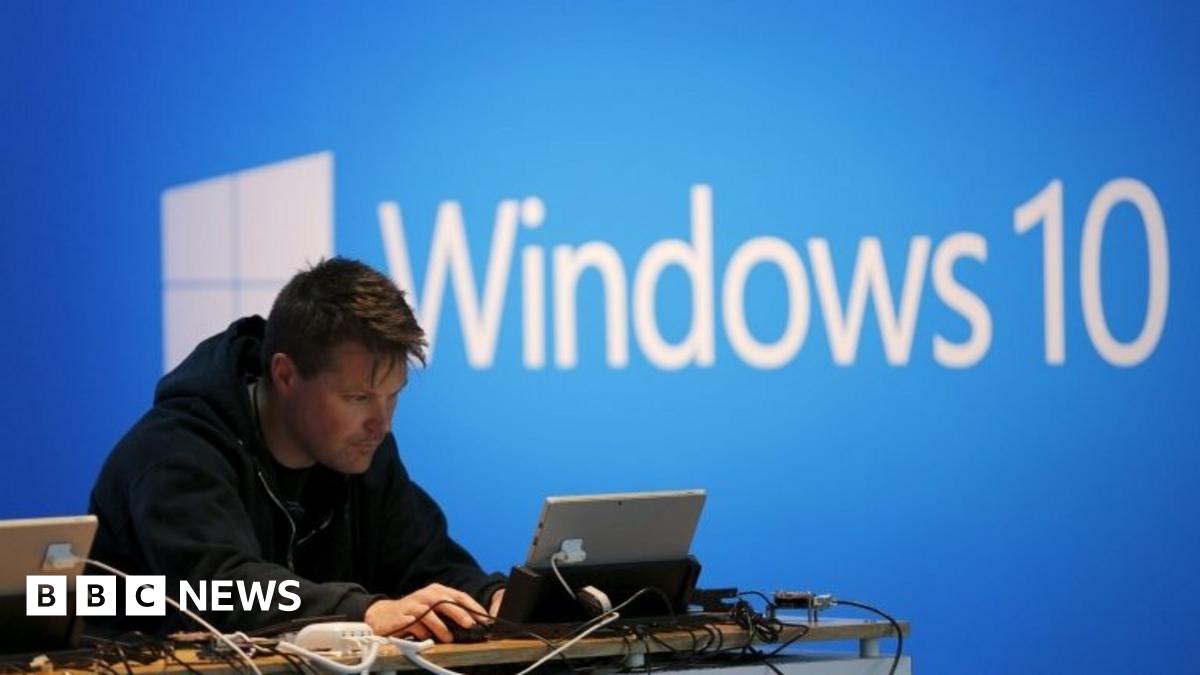
Microsoft to stop producing Windows versions
Windows 10 will be the last version of the operating system to be numbered, says Microsoft executive.
 www.bbc.co.uk
Jerry Nixon, a Microsoft development executive, said in a conference speech this week that Windows 10 would be the "last version" of the dominant desktop software.
His comments were echoed by Microsoft which said it would update Windows in future in an "ongoing manner".
Instead of new stand-alone versions, Windows 10 would be improved in regular instalments, the firm said.
Anyone who bought into W10 initially actually very much can expect that.
They do not need to "be grateful" that they've extended W10 support for consumers, it was already promised to them from the get go. There's also the fact that actual adoption rates only changed due to MS claiming there was a shut off period that turned out to not be true:

Windows 11 tops market share as 10 faces extended farewell
: More than a fifth of servers still on Windows Server 2016
The trend is not surprising given that Microsoft cut support for many versions of Windows 10 in October 2025. Users can keep the fixes flowing through the Extended Security Updates program, although the extra support comes at additional cost for many commercial customers.
A huge number of users jumped ship because they felt they had no choice, and/or had the "update to W11" alerts constantly -- or worse you had (which was very common in the advice sections of this forum) people panicking and thinking they needed to spend a bunch of money on a new PC because their old didn't support W11 (even when it almost always did, and it was an artificial limitation to begin with).
I'm still on W10 for my main home PC as I'm sure you might have guessed. I will never use W11 for home use, fortunately I'm used enough to Linux distros to get by and from a gaming limitation standpoint I barely if ever play multiplayer anymore.
Last edited:
Yep they ****** up when they said w10 was the last version but did you actually read the article you linked? Because they were clearly planning on releasing regular major updates to the OS, at no point did they say they would continue supporting old hardware for eternity and that nobody would ever need to buy a new computer again only that the version number wasn't going up. So we would now have something like Windows 10 r26.10 which would be identical to Windows 11 in everyway except the name including the hardware requirements.Anyone who bought into W10 initially actually very much can expect that.
ESU has always been an additional cost and large businesses and education establishments will already have annual Microsoft agreements in place they also have ICT development plans outlining when equipment should be replaced on 5 year cycles. If they have let hardware refresh cycles slip which is common in education then its down to bad leadership and financial planning its not Microsoft's fault they are using ancient hardware when they are wasting money; the state primary school I worked at spent £10k on a mural for the school hall and had well being days for staff where the teachers had massages and yoga lessons, one of their wellbeing session they had for the teachers the same week they made me redundant was on how to apply makeup, so whatever mess their IT is in now is entirely of their own making.
The PC I'm typing this on is running W10, I also use W11 and linux everyone has got a choice but some people in this thread seem to think that their oem licence that was bundled with their PC means Microsoft have got some sort of moral obligation to provide them with updates for decades old hardware for as long as they want and that's simply not the case.I'm still on W10 for my main home PC as I'm sure you might have guessed. I will never use W11 for home use, fortunately I'm used enough to Linux distros to get by and from a gaming limitation standpoint I barely if ever play multiplayer anymore.
Edit:
Linux has DRM and anti cheat limitations for streaming and some games but I believe theres a GeForce Now client for linux now so some of those multiplayer games you liked are probably still playable on your Linux system via GeForce Now.
Everything is turning into software as a service / subscription models whether we like it or not...
Last edited: