

My bad, you're right. It supposed to say the 'wire insulation' rather than shielding.You mean jacket, surely?
Shielding is a metal braid or foil wrap layer that surrounds the main conductor(s) and is separated from it by an insulator layer. It's grounded at both ends and protects very low voltage cables from electromechanical interference (EMI / RFI).
Speaker cables don't need this. Interconnects do, but speaker cables don't.
You are using an out of date browser. It may not display this or other websites correctly.
You should upgrade or use an alternative browser.
You should upgrade or use an alternative browser.
Surround Sound and HiFi Cable
- Thread starter ristac
- Start date
More options
Thread starter's posts
Instead of spending money on yet more expensive gear, magic cables, and winky bits of Hi-Fi tweakery, put it into proper setup and room treatment.
The tech exists. Calibrated mics are available from under £150. The software to measure a room and see on a graph what difference moving the speakers or adding some absorption makes is free. No more guess work.
Maybe then, Hi-Fi performance would move forward, and then there’d be a better chance of telling if some cable or new bit of gear was actually worth the money.
The tech exists. Calibrated mics are available from under £150. The software to measure a room and see on a graph what difference moving the speakers or adding some absorption makes is free. No more guess work.
Maybe then, Hi-Fi performance would move forward, and then there’d be a better chance of telling if some cable or new bit of gear was actually worth the money.
Last edited:

I just purchased some Kimber Kable 4VS pre-owned, it will be going on some Fyne Audio F502 speakers. I'm going to re-terminate the ends first.
It's this cable on Kimber's website, specs on link
https://kimber.com/products/4VS
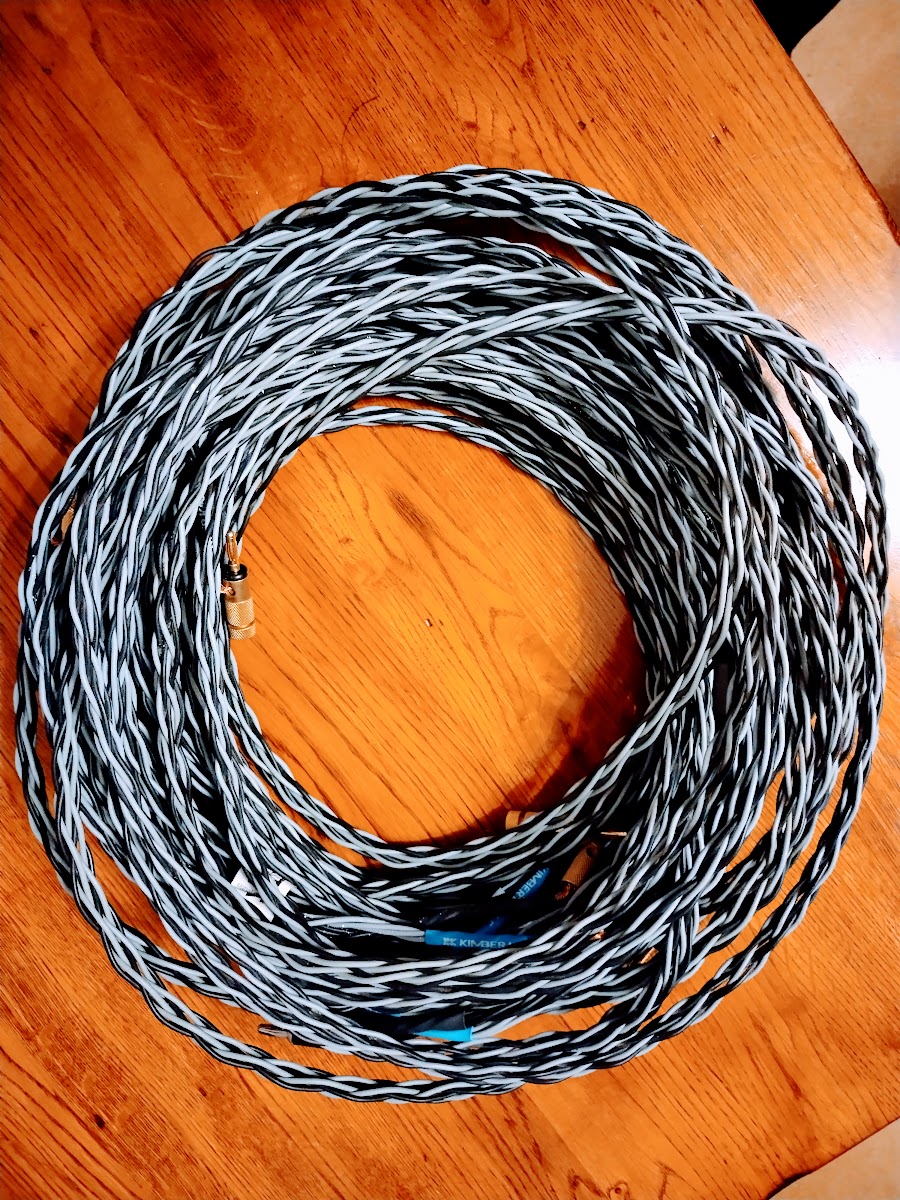
It's this cable on Kimber's website, specs on link
https://kimber.com/products/4VS
I have been testing the Kimber Kable today. I have filmed this on an Nokia X10, mobile phones never fully capture the differences but hopefully you will hear some difference.
The source output is set to mono, one speaker is using 4mm DCSK, the other speaker is using Kimber Kable 4VS. Amplifier volume is identical for each recording. When recording each speaker I'm using the amplifier balance control to only play on that speaker. You should find the Kimber Kable has more clarity.
Also this is being streamed from Amazon Music, however due to mono playback I can't select direct mode. Playing via windows sound always sounds worse than direct mode.
4mm DCSK
 photos.google.com
Kimber Kable 4VS
photos.google.com
To clarify this is only showing the difference with Kimber speaker cable. The mains conditioning, power cables, power block, ethernet filters, interconnects are the same for both tests.
The source output is set to mono, one speaker is using 4mm DCSK, the other speaker is using Kimber Kable 4VS. Amplifier volume is identical for each recording. When recording each speaker I'm using the amplifier balance control to only play on that speaker. You should find the Kimber Kable has more clarity.
Also this is being streamed from Amazon Music, however due to mono playback I can't select direct mode. Playing via windows sound always sounds worse than direct mode.
4mm DCSK
Google Photos
photos.google.com
Kimber Kable 4VS
Google Photos
photos.google.com
To clarify this is only showing the difference with Kimber speaker cable. The mains conditioning, power cables, power block, ethernet filters, interconnects are the same for both tests.
Last edited:
Alpha Audio has just done a huge 32 speaker cable test.
Last edited:

Soldato
- Joined
- 27 Mar 2013
- Posts
- 9,513
I'm sure they finish their review by starting cables make a difference, but we couldn't measure itAlpha Audio has just done a huge 32 speaker cable test.
 .
.
Worse than that - they've dumped a load of meaningless graphs into the reviews without explaining what they supposedly show, and then double down on the audiophile nonsense with stuff like this:I'm sure they finish their review by starting cables make a difference, but we couldn't measure it

Soldato
- Joined
- 6 Sep 2016
- Posts
- 14,727
Tens of thousands of pounds of audiophile fuses here.

Bet you wish you were as considerably rich as me.

Bet you wish you were as considerably rich as me.

Associate
- Joined
- 30 Jun 2006
- Posts
- 2,372
- Location
- Cardiff
I always find silver based cables too forward and too bright whihc in more often than not too fatiguing.My main speakers (in front room) use 4mm DCSK, DCSK and Kabledirect are both German, so probably from same factory.
Don't skimp for the sake of £20, the cable your installing could be used for next 20, 30+ years.
Never owned silver speaker cable, but do own silver interconnects. It's true silver often brings out more detail / clarity.
My fave speaker cable is a freebie I got when I bought a set of speakers. it is Chord company (can't remember) what it was called. Stuck it in every system regardless albeit my main setup and I just love it as it didn;t cost me anything.
Last edited:
Don't know why I'm bothering posting on this but still.
One of the takeaways from the Alpha Audio testing is low inductance is important. Kimber 8PR has a series inductance of 0.12uH / meter, the 4VS I use is 0.25uH / meter. Regular multistrand copper cable is around 1.0 to 1.5uH / meter.
I did another video, this is with only a Nokia X10, smart phones never pick up correctly what's in the room, so any difference you hear is far greater.
Below is 4mm DCSK, single run with metal jumpers in place
photos.google.com
Below is bi-wiring with a double run of Kimber 4VS. Both these videos are streaming on a HTPC from Amazon music.
photos.google.com
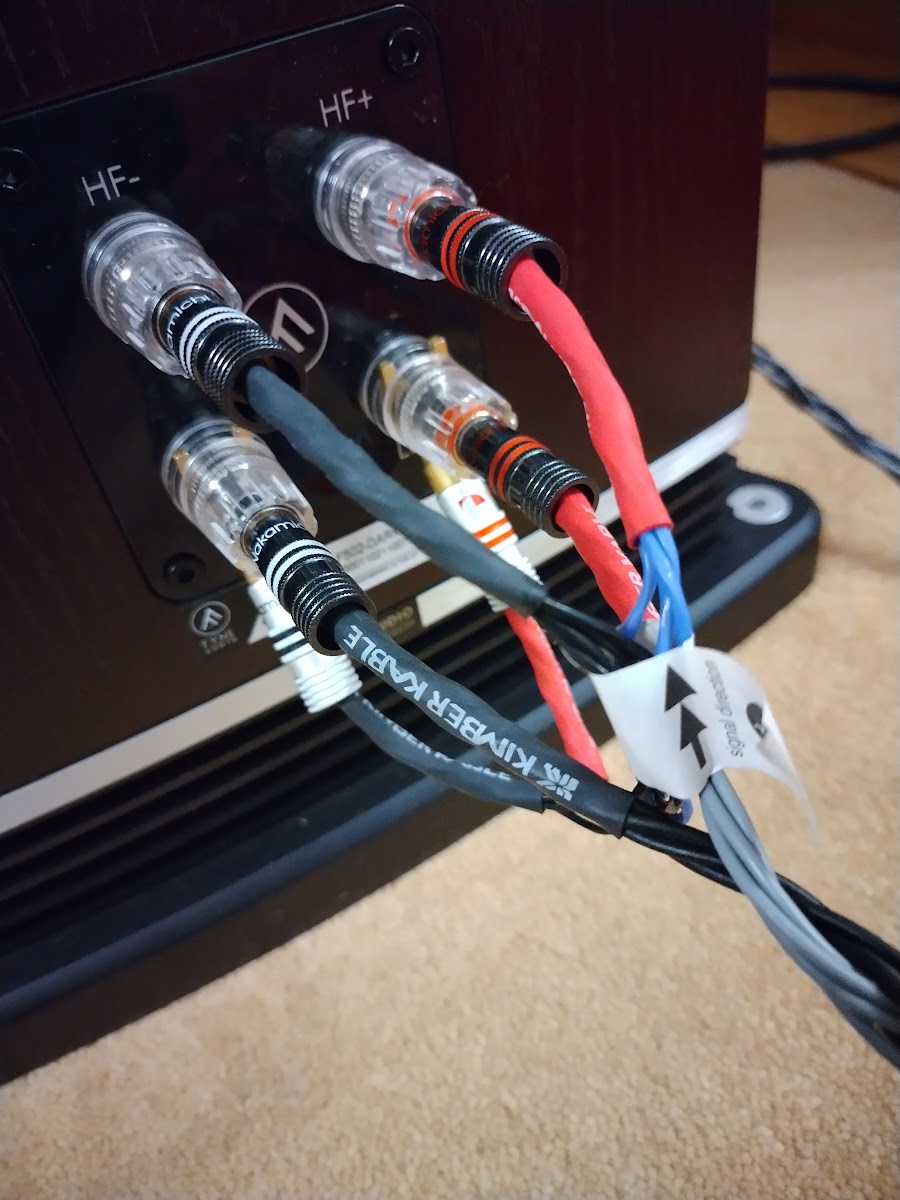
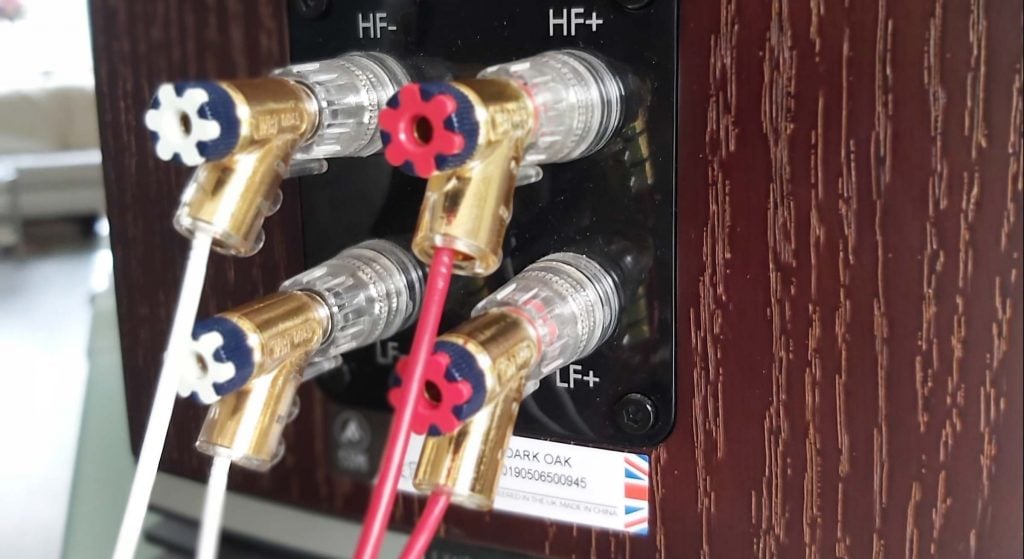
The picture below is how that speaker is wired in video above. Using identical cable and length to bi-wire no phase issues are introduced. The banana plugs are Nakamichi Ultimate and cleaned with DeoxIT D5S-6 before fitting.
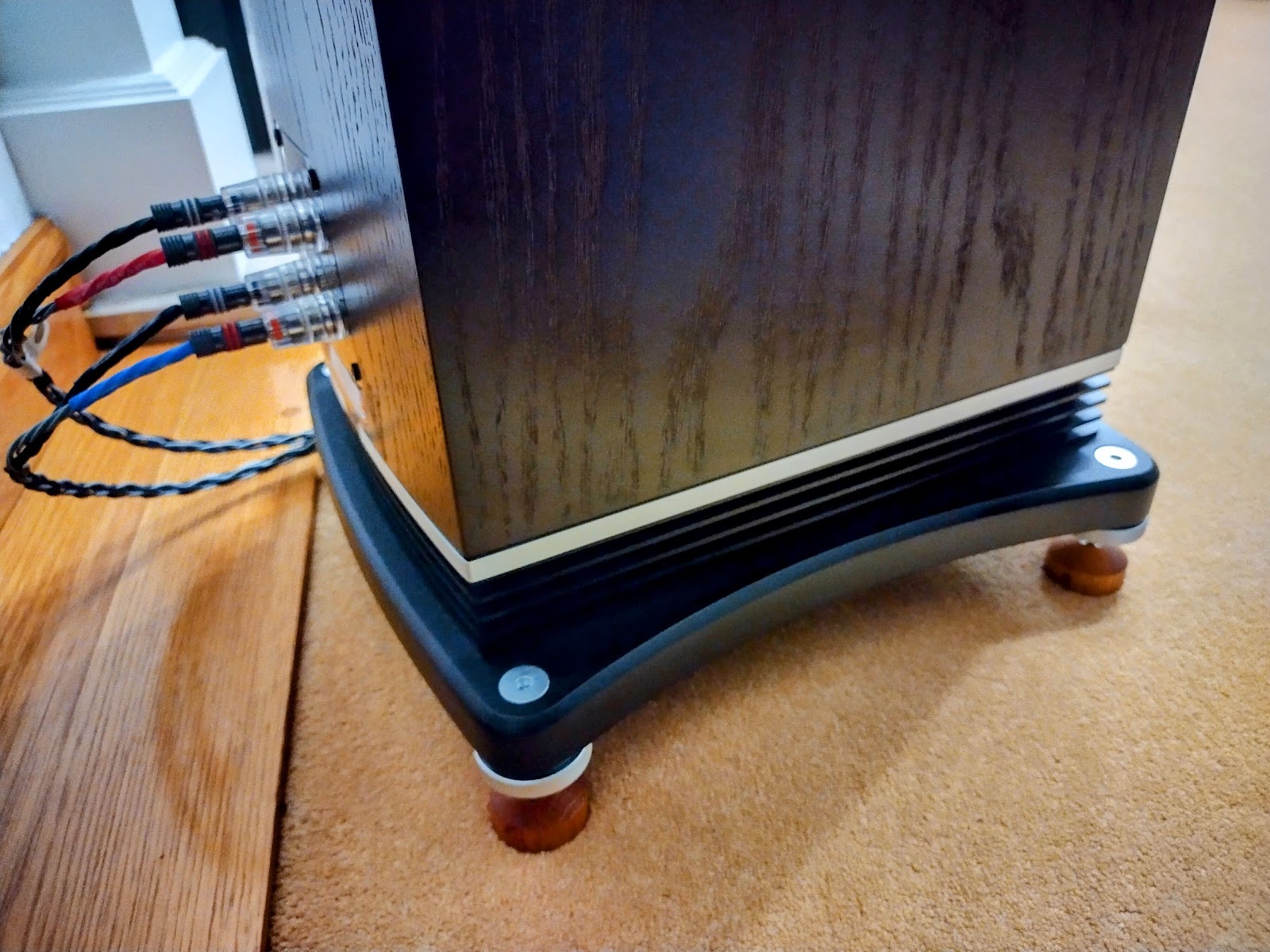
The following is single run of Kimber Kable but replacing the metal jumpers with Kimber jumpers. The Kimber jumpers are an upgrade over the factory metal jumpers, however in the end the bi-wiring above was better.
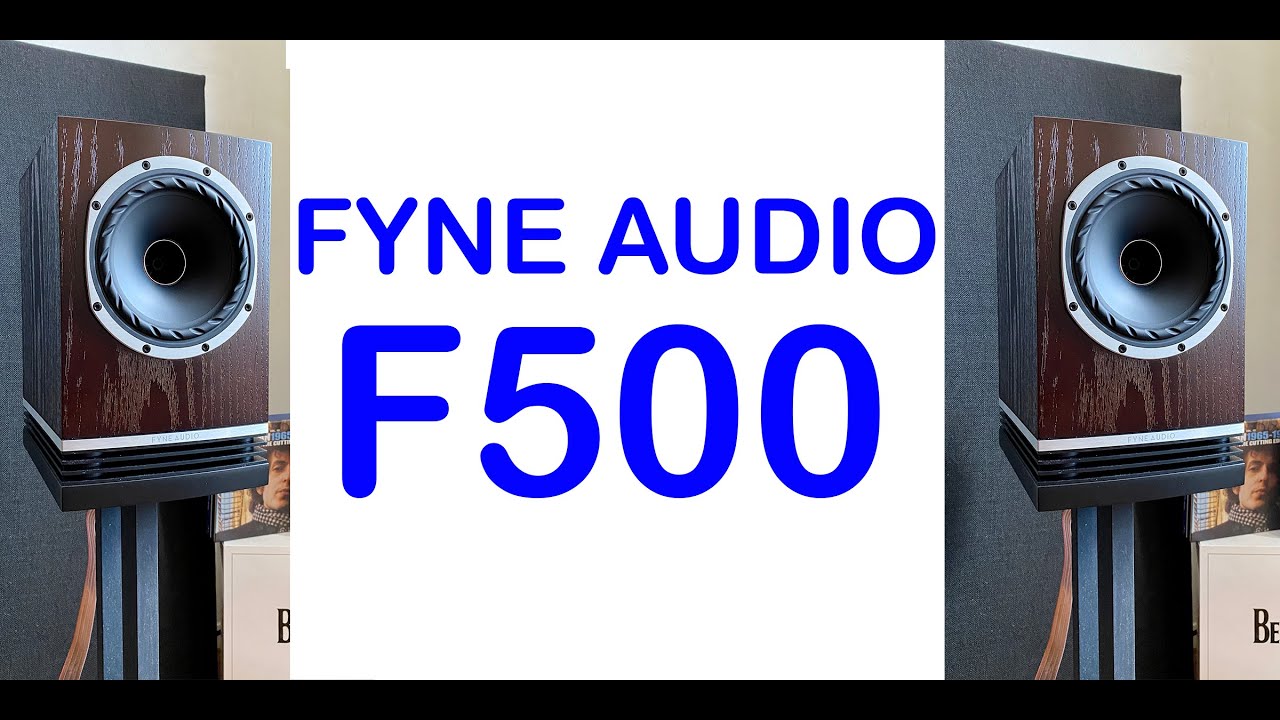
People say bi-wiring makes no difference but it's not true. Steve Guttenberg reviewed the F500 that is the bookshelf version of the F502, and he said the F500 was better on bi-wire. I've linked the youtube video where he mentions this.
 youtu.be
One of the takeaways from the Alpha Audio testing is low inductance is important. Kimber 8PR has a series inductance of 0.12uH / meter, the 4VS I use is 0.25uH / meter. Regular multistrand copper cable is around 1.0 to 1.5uH / meter.
I did another video, this is with only a Nokia X10, smart phones never pick up correctly what's in the room, so any difference you hear is far greater.
Below is 4mm DCSK, single run with metal jumpers in place
Google Photos
photos.google.com
Below is bi-wiring with a double run of Kimber 4VS. Both these videos are streaming on a HTPC from Amazon music.
Google Photos
photos.google.com
The picture below is how that speaker is wired in video above. Using identical cable and length to bi-wire no phase issues are introduced. The banana plugs are Nakamichi Ultimate and cleaned with DeoxIT D5S-6 before fitting.
The following is single run of Kimber Kable but replacing the metal jumpers with Kimber jumpers. The Kimber jumpers are an upgrade over the factory metal jumpers, however in the end the bi-wiring above was better.
People say bi-wiring makes no difference but it's not true. Steve Guttenberg reviewed the F500 that is the bookshelf version of the F502, and he said the F500 was better on bi-wire. I've linked the youtube video where he mentions this.
FYNE F500, does it compare with KEF's LS50 Meta?
I've been itching to review a FYNE speaker for years, the F500 is the first, but probably won't the last.More info here https://www.fyneaudio.com/product/f50...
youtu.be
Last edited:
Associate
- Joined
- 30 Jun 2006
- Posts
- 2,372
- Location
- Cardiff
I guess it varies to speaker to speaker. Predominantly I have had Bowers speakers the most and in most cases they would be ny argument for Bi-wiring. The only Bowers speaker I have ever owned which weren't Bi-wired was the PM-1'sDon't know why I'm bothering posting on this but still.
One of the takeaways from the Alpha Audio testing is low inductance is important. Kimber 8PR has a series inductance of 0.12uH / meter, the 4VS I use is 0.25uH / meter. Regular multistrand copper cable is around 1.0 to 1.5uH / meter.
I did another video, this is with only a Nokia X10, smart phones never pick up correctly what's in the room, so any difference you hear is far greater.
Below is 4mm DCSK, single run with metal jumpers in place
Google Photos
Below is bi-wiring with a double run of Kimber 4VS. Both these videos are streaming on a HTPC from Amazon music.
Google Photos
The picture below is how that speaker is wired in video above. Using identical cable and length to bi-wire no phase issues are introduced. The banana plugs are Nakamichi Ultimate and cleaned with DeoxIT D5S-6 before fitting.
The following is single run of Kimber Kable but replacing the metal jumpers with Kimber jumpers. The Kimber jumpers are an upgrade over the factory metal jumpers, however in the end the bi-wiring above was better.
People say bi-wiring makes no difference but it's not true. Steve Guttenberg reviewed the F500 that is the bookshelf version of the F502, and he said the F500 was better on bi-wire. I've linked the youtube video where he mentions this.
I guess it varies to speaker to speaker. Predominantly I have had Bowers speakers the most and in most cases they would be ny argument for Bi-wiring. The only Bowers speaker I have ever owned which weren't Bi-wired was the PM-1's
It's probably dependent on the crossover design.
Fyne Audio mention bi-wiring on this link.
How To Wire Hi-Fi Speakers - FYNE AUDIO
Let’s talk about the ways you can get the best from your system. Here is the what, why and how of wiring and connecting your speakers.
 www.fyneaudio.com
The other thing that's happening be it very minor, is when you add a speaker jumper your adding another connection in the speaker wiring chain, the more connections the more resistance. So if you look at my photo where I have the Kimber jumpers, for the high frequencies there is more impedance in the cable path. Again I think this a minor difference, but even so it can't be helping.
Last edited:
Soldato
- Joined
- 27 Mar 2013
- Posts
- 9,513
Tens of thousands of pounds of audiophile fuses here.
Bet you wish you were as considerably rich as me.
Sorry for the low quality, best I found with text.
Associate
- Joined
- 30 Jun 2006
- Posts
- 2,372
- Location
- Cardiff
It's funny you should say that. It been a while since I last heard my main setup (must be at least 3-4 years now) and took it apart and put it in storage. Now I did get jumper cables with them as they are in my drawer but for the life of me I can't remember if they were present or if I took them off for Bi wiring. It doesn't make sense for them to be attached if you are Bi Wiring.It's probably dependent on the crossover design.
Fyne Audio mention bi-wiring on this link.
How To Wire Hi-Fi Speakers - FYNE AUDIO
Let’s talk about the ways you can get the best from your system. Here is the what, why and how of wiring and connecting your speakers.
The other thing that's happening be it very minor, is when you add a speaker jumper your adding another connection in the speaker wiring chain, the more connections the more resistance. So if you look at my photo where I have the Kimber jumpers, for the high frequencies there is more impedance in the cable path. Again I think this a minor difference, but even so it can't be helping.
Last edited:
It doesn't make sense for them to be attached if you are Bi Wiring.
Yes if your bi-wiring you don't want the jumpers in place.